
Key Takeaways / Summary:
- Hike during the early morning hours to avoid peak daily temperatures.
- Seek out trails with dense, shaded canopies to block direct sunlight.
- Drink water consistently before, during, and after the excursion.
- Learn to recognize early symptoms of heat exhaustion to prevent illness.
Embarking on an outdoor hike during the warmest months of the year allows adventurers to witness the vibrant local habitats. However, hot weather hiking in South Florida presents specific environmental challenges that demand careful preparation.
Understanding how to navigate high temperatures ensures that every journey remains enjoyable yet safe. Deering Estate encourages outdoor enthusiasts to discover the diverse environments within our boundaries while also prioritizing personal safety and wellness.
The Importance of Timing and Trail Coverage
Proper timing is one of the most effective summer hiking tips for limiting harsh heat exposure. Starting during the early morning hours allows hikers to complete their trek before the sun reaches its highest and most intense point in the sky. These early hours also offer cooler ambient temperatures and a greater likelihood of wildlife sightings, making the experience highly rewarding.
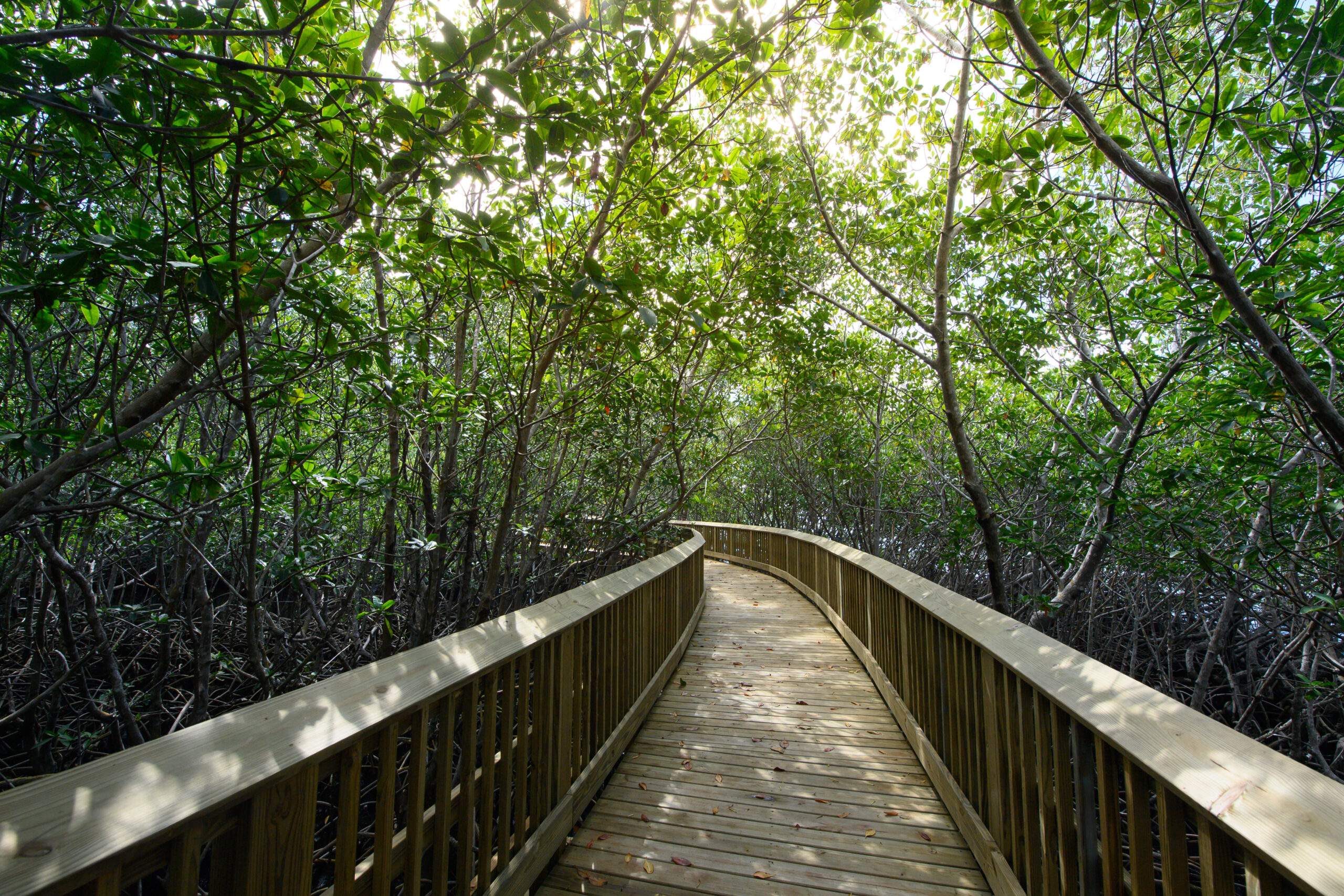
In addition to the timing of the hike, route selection plays a critical role in temperature regulation. Utilizing trails that feature thick, natural canopies helps block direct sunlight and lowers the temperature on the ground. Walking beneath a shield of trees reduces the risk of sunburn while also providing a much more comfortable environment for longer explorations.
Hydration Strategies for Summer Hiking
Staying properly hydrated is essential when engaging in hot weather hiking. Hydrating should begin long before stepping onto the trails. Consuming water the day before and the morning of the hike establishes a baseline of hydration that supports the body during exertion.
While on the trail, individuals should consume small, frequent drinks of water rather than waiting until thirst becomes noticeable. Thirst is often a delayed indicator of dehydration. It is also important to replace electrolytes lost through sweat, as these minerals regulate nerve and muscle function. Carrying enough fluids and maintaining a steady drinking schedule are vital practices for sustaining energy throughout the hike.
Recognizing and Preventing Heat Exhaustion on the Trails
A safe hiking experience requires an awareness of how the human body responds to extreme warmth. Heat exhaustion can occur when the body is no longer able to cool itself efficiently. Hikers must monitor both themselves and their companions for early warning signs of heat illness.
Common indicators of heat exhaustion include heavy sweating, dizziness, a rapid pulse, headache, nausea, or muscle cramps. If any of these symptoms present themselves, it is crucial to stop hiking immediately.
The affected individual should move to a shaded area, rest, and consume cool fluids. Ignoring these early signs can lead to more severe medical emergencies.
Plan Your Next Adventure at Deering Estate
Discover the Mangrove Boardwalk at Deering Estate – a serene coastal trail that predates Charles Deering and winds through a unique mangrove ecosystem filled with diverse wildlife.
Over 450 acres of protected natural habitats await discovery, featuring incredible native wildlife, historic landscapes, and coastal views. We invite visitors to continue to experience these magnificent surroundings while also applying smart summer hiking practices:
“Beautiful trails and nature walk. Spotted some beautiful birds and butterflies. Well preserved and protected.” – A.S. Google Reviews
Contact us or visit our website to find out more about preparing for an upcoming journey, our current ticketing options, and hours of operation. Plan your visit today.
LiliePhoto / Shutterstock